
Quick answer: yes – for most people. Natural latex is naturally resistant to dust mites, mould and mildew, three of the most common bedroom allergy triggers. Combined with a washable cover, a latex pillow is one of the easiest pillows to keep allergen-free. The exception is anyone with a diagnosed latex allergy, who should talk to their doctor first.
Why pillows are a problem for allergy sufferers
Pillows collect skin cells, moisture and warmth every night – exactly what dust mites need to thrive. Australia’s warm, humid climate in many regions makes it even easier for dust mites and mould to build up, especially in fibre and feather pillows that absorb moisture.
How natural latex helps
- Dust mite resistant: latex is not a food source for dust mites and does not create the dense fibre environment they prefer.
- Mould and mildew resistant: latex does not hold onto moisture the way feathers or polyester fibre can.
- Breathable: shredded latex lets air circulate, so the pillow dries out and stays fresher.
- No feathers: great for people sensitive to down and feathers.
Tips for an allergy-friendly bed
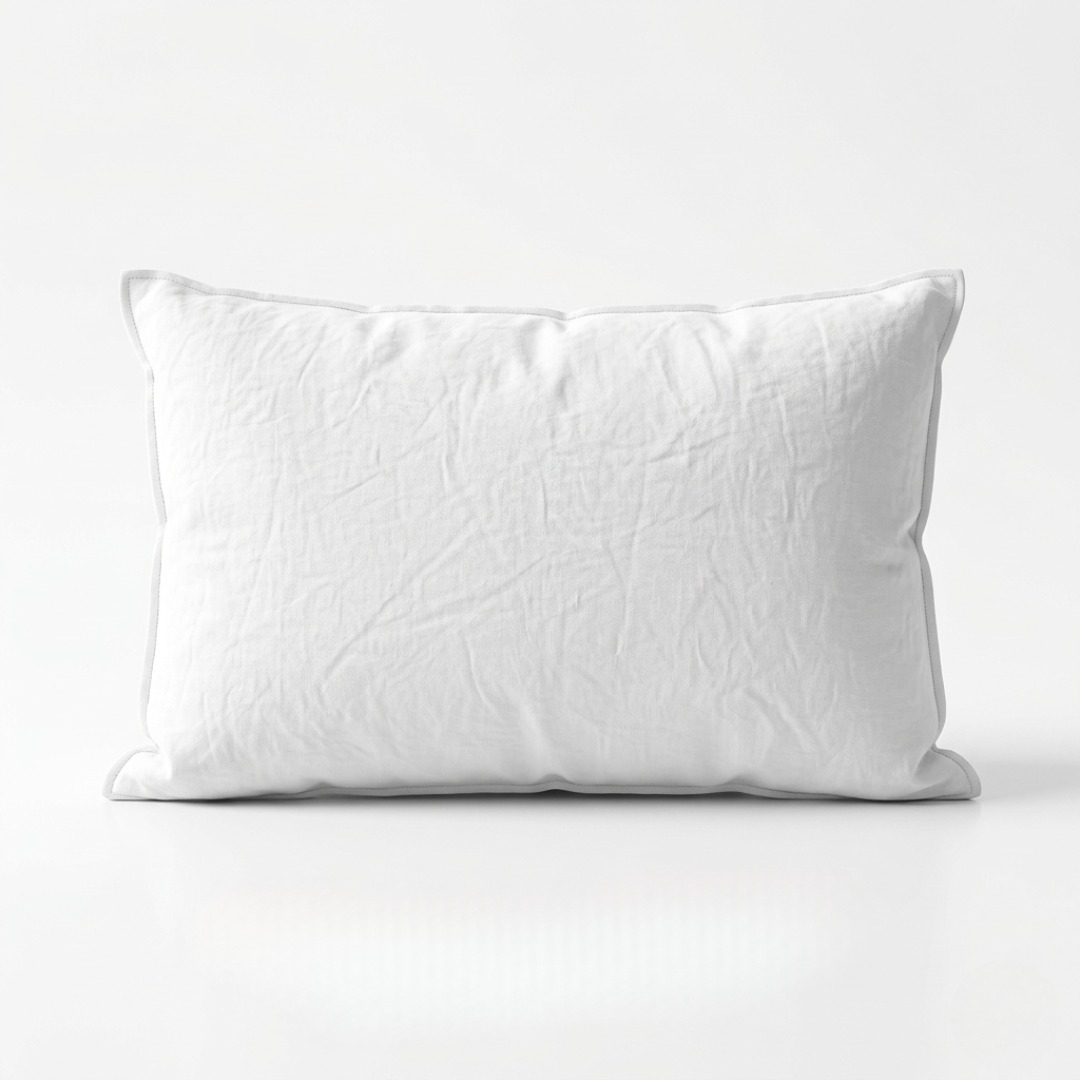
- Use a removable, washable cover – our linen-cotton covers are breathable and gentle on sensitive skin.
- Wash covers and pillowcases weekly in hot water if the fabric allows.
- Air your pillow in the sun occasionally (in its cover) to keep it fresh.
- Keep bedroom humidity down with good ventilation.
- Vacuum your mattress and bedroom regularly.
Who should avoid latex?
Anyone with a known latex allergy should seek medical advice before using latex bedding. Latex allergy is different from dust mite allergy – it is a reaction to proteins found in natural rubber.
Choosing an allergy-friendly latex pillow
Look for 100% natural latex filling, a removable cover and an adjustable design so the pillow suits your sleeping position. Explore our natural latex pillow range, all filled with 100% natural shredded latex and shipped across Australia.
Frequently asked questions
Are latex pillows hypoallergenic?
Natural latex is naturally resistant to dust mites, mould and mildew, which makes it a good choice for many allergy sufferers. People with a diagnosed latex allergy should check with their doctor first.
Can I use a latex pillow if I have a latex allergy?
Latex allergy is usually triggered by direct skin contact with latex proteins. Even with a cover, we recommend speaking to your doctor before using any latex bedding if you have a known latex allergy.
How often should I wash my pillow cover?
Wash pillow covers weekly or fortnightly, the same as your pillowcases, to remove skin cells, oils and allergens.